

In the world of fashion photography, fabric choice can instantly change how an outfit looks on camera. Even before design, cut, or styling, the fabric itself sends a strong visual message.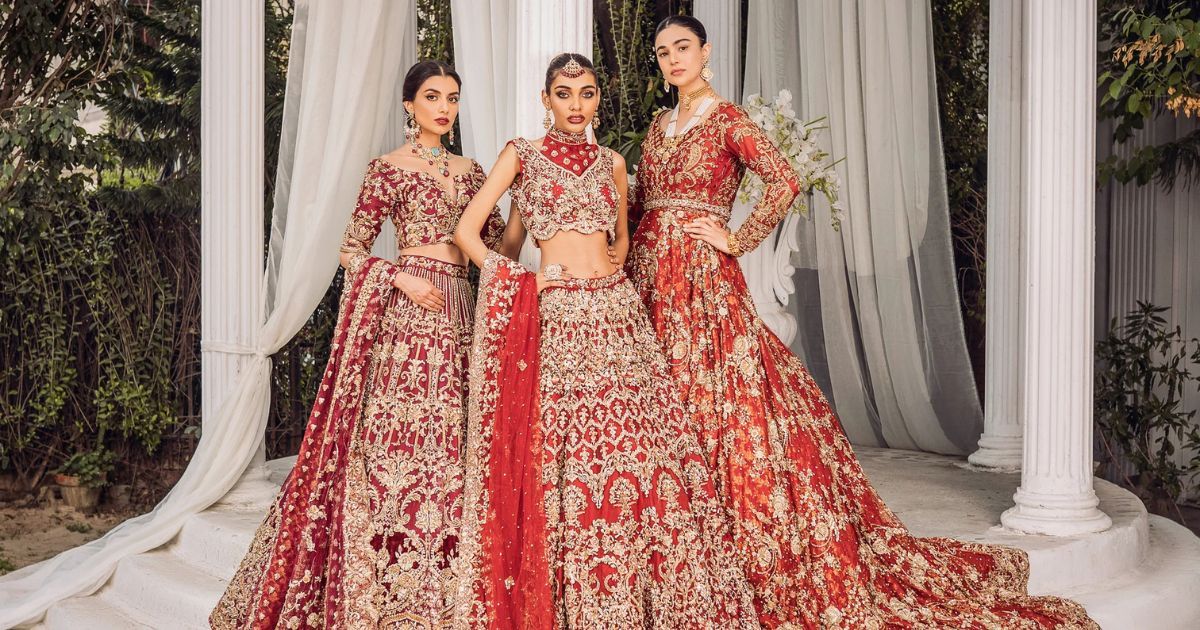
Some materials naturally look luxurious, polished, and expensive, while others can appear flat or ordinary when photographed. This matters even more today, when most people discover fashion through Instagram, websites, and online catalogs rather than in person.
For brands, influencers, and shoppers who love pakistani designer clothes, understanding which fabrics photograph beautifully is essential. Pakistani fashion is known worldwide for its craftsmanship, embroidery, and rich textiles. When captured well, the right fabric can elevate an outfit and make it look truly high-end in photos.
This comprehensive guide explains which fabrics look expensive on camera, why they work so well, and how they are used in high-end fashion photography. Whether you are a student, designer, boutique owner, or fashion lover, this article will help you understand the visual power of fabric choice.
Why Fabric Matters So Much in Photography
Fabric is more than just a material. It affects how light reflects, how shadows form, and how an outfit moves. Cameras pick up details that the human eye sometimes misses, especially texture, shine, and depth.
High-end fabrics usually have three visual qualities. They hold their shape well, reflect light softly, and show depth in texture. These qualities make clothing appear refined and luxurious in images. This is why pakistani designer clothes often rely on premium fabrics that photograph well for lookbooks and campaigns.
Cheap or low-quality fabrics may wrinkle easily, look stiff, or lose color under studio lighting. On camera, these issues become more noticeable, making the outfit appear less expensive.
Silk: The Ultimate Symbol of Luxury
Silk has long been associated with royalty, elegance, and high fashion. In photos, silk immediately stands out due to its natural sheen and smooth texture. It reflects light in a soft, fluid way that creates a glowing effect.
Silk drapes beautifully on the body. This drape adds movement and grace in photos, making even simple designs look sophisticated. In pakistani designer clothes, silk is commonly used for formal wear, bridal outfits, and luxury pret collections.
Silk also photographs well in both natural and studio lighting. It highlights embroidery, enhances rich colors, and adds depth without appearing shiny in a harsh way. This balance is what makes silk scream “high-end” in photos.
Velvet: Rich, Dramatic, and Regal
Velvet is one of the most visually striking fabrics in fashion photography. Its deep pile creates shadows and highlights that add instant drama. On camera, velvet looks rich and luxurious, especially in dark tones like emerald, maroon, navy, and black.
Many pakistani designer clothes collections use velvet in winter formals and bridal wear. The fabric absorbs light in some areas and reflects it in others, giving a sense of depth that flat fabrics cannot achieve.
Velvet also works beautifully with embroidery and embellishments. Gold or silver thread against velvet creates a strong contrast that photographs exceptionally well. This makes velvet a favorite for statement outfits meant to look expensive and regal.
Organza: Light, Airy, and Elegant
Organza may be sheer and lightweight, but in photos, it looks delicate and refined. Its crisp texture allows it to hold volume without appearing heavy. This quality makes organza perfect for layered designs and dramatic silhouettes.
In pakistani designer clothes, organza is often used for dupattas, sleeves, and overlays. On camera, it catches light softly and adds dimension without overpowering the outfit.
Organza also works well with embroidery, as the thread appears to float on the surface. This creates a dreamy, high-fashion effect in photos, especially in pastel and neutral shades.
Chiffon: Soft Luxury in Motion
Chiffon is known for its lightness and flow. In photography, movement plays a huge role, and chiffon excels in this area. When a model walks or turns, chiffon flows naturally, creating graceful motion in images.
High-end chiffon has a smooth texture that avoids looking cheap or overly transparent. In pakistani designer clothes, chiffon is widely used in formal wear because it looks elegant without being heavy.
Chiffon photographs best in soft lighting, where its gentle texture and fluid drape enhance the overall look. This fabric adds romance and sophistication, making it a favorite for luxury fashion shoots.
Raw Silk: Structured and Sophisticated
Raw silk is different from regular silk due to its slightly textured surface. This texture gives it a more structured and traditional feel. On camera, raw silk looks rich and classic, especially in solid colors.
Many pakistani designer clothes feature raw silk for tailored outfits, long shirts, and formal trousers. The fabric holds shape well, which is important for clean lines in photography.
Raw silk also reflects light in a subtle way, avoiding excessive shine. This makes it ideal for modern, minimalist designs that still want to look high-end in photos.
Brocade: Opulence Woven Into Fabric
Brocade is a fabric that already carries luxury within its weave. The raised patterns and metallic threads give it a royal appearance. In photos, brocade looks detailed and expensive without needing heavy embellishment.
Traditional pakistani designer clothes often use brocade for festive and bridal wear. The fabric adds visual interest through texture alone, which cameras capture beautifully.
Brocade works best in structured garments where the design allows the fabric pattern to shine. Its richness makes it ideal for statement pieces meant to stand out in photographs.
Linen Blends: Understated Luxury
Pure linen can sometimes wrinkle too easily, but high-quality linen blends photograph surprisingly well. When blended with silk or cotton, linen gains softness and structure while maintaining its natural texture.
In modern pakistani designer clothes, linen blends are used for luxury casual and summer wear. On camera, these fabrics look breathable, elegant, and refined rather than stiff or rough.
Linen blends work best in neutral tones like ivory, beige, and soft grey. These shades enhance the fabric’s natural texture, making it appear effortless and high-end in photos.
Cotton Net: Traditional Elegance
Cotton net is a popular choice in pakistani designer clothes, especially for formal and semi-formal wear. It combines comfort with visual richness, making it ideal for detailed embroidery.
In photography, cotton net shows embroidery clearly without looking bulky. The slightly sheer base allows designs to stand out, adding depth to images.
This fabric looks especially high-end when styled with structured tailoring and elegant color palettes. Its balance between tradition and modern appeal makes it a strong choice for fashion shoots.
Wool and Cashmere: Luxury for Cooler Seasons
Wool and cashmere are often associated with winter luxury. In photos, these fabrics look rich, warm, and refined. High-quality wool holds its shape well, while cashmere adds softness and depth.
Some high-end pakistani designer clothes collections incorporate wool blends for coats, shawls, and winter formals. On camera, these fabrics convey comfort and elegance at the same time.
Cashmere, in particular, photographs beautifully due to its smooth surface and subtle texture. It adds a quiet luxury that feels expensive without being flashy.
Satin: Shine Done Right
Satin is known for its glossy surface, but not all satin looks expensive. High-quality satin reflects light smoothly, creating a polished and elegant appearance in photos.
In pakistani designer clothes, satin is often used for evening wear and fusion outfits. When styled properly, it enhances silhouettes and adds drama without overpowering the design.
The key to satin looking high-end in photos is proper lighting and tailoring. When done right, satin delivers a glamorous, designer-level finish.
The Role of Color in Making Fabrics Look High-End
Fabric alone is not enough. Color plays a major role in how luxurious a fabric appears on camera. Rich jewel tones, soft pastels, and classic neutrals tend to photograph better than overly bright or dull shades.
Many pakistani designer clothes use deep reds, emerald greens, ivory, gold, and soft blush tones to enhance fabric quality. These colors add depth and richness, making the fabric look more expensive.
When combined with the right lighting, color can highlight texture and detail, further elevating the overall look in photos.
Texture and Detailing: Small Things That Matter
High-end fabrics often have visible texture, whether through weaving, embroidery, or finishing. Cameras capture these details clearly, adding to the perception of quality.
In pakistani designer clothes, hand embroidery, zari work, and thread detailing enhance fabric texture. These elements create layers that make outfits look luxurious in photographs.
Smooth fabrics without texture can still look high-end, but adding subtle detailing often increases visual interest and depth.
Why Pakistani Designer Clothes Photograph So Well
One reason pakistani designer clothes stand out globally is their focus on fabric quality. Designers carefully choose materials that not only feel good but also look stunning on camera.
From silk and chiffon to organza and velvet, these fabrics are selected to enhance embroidery, structure, and movement. This attention to fabric choice ensures that outfits look premium in photos, whether for bridal campaigns or pret collections.
The combination of traditional craftsmanship and modern styling further elevates the visual appeal, making these clothes ideal for fashion photography.
Choosing Fabrics for Your Own Photos
If you want your outfits to look high-end in photos, focus on fabric quality first. Look for materials that drape well, hold shape, and reflect light softly.
Many pakistani designer clothes brands offer premium fabrics even in ready-to-wear collections. Investing in these pieces can instantly improve how you appear in photos.
Avoid overly thin, shiny, or stiff fabrics, as they often look cheap on camera. Instead, choose materials known for their texture and depth.
Common Mistakes That Make Fabrics Look Cheap in Photos
Even expensive fabrics can look bad if styled incorrectly. Poor lighting, wrong fit, and excessive wrinkling can ruin the appearance of any material.
In pakistani designer clothes shoots, professionals steam garments, adjust lighting, and style outfits carefully to ensure fabrics look their best.
Understanding these details helps explain why some outfits look luxurious in campaigns but less impressive in casual photos.
The Future of High-End Fabrics in Fashion Photography
As fashion becomes more digital, the importance of fabric choice continues to grow. Online shoppers rely on images to judge quality, making fabric appearance crucial.
Designers of pakistani designer clothes are now experimenting with sustainable luxury fabrics that still photograph well. These include eco-friendly silks, organic cotton blends, and innovative weaves.
The goal remains the same: to create fabrics that look rich, refined, and high-end on camera.
Conclusion
Fabrics play a powerful role in how fashion is perceived in photos. Materials like silk, velvet, organza, chiffon, and brocade instantly communicate luxury through texture, drape, and light reflection. When photographed correctly, these fabrics elevate even simple designs.
The success of pakistani designer clothes in global fashion photography proves how important fabric choice is. Designers understand that luxury begins with material, not just design.
By choosing the right fabrics and understanding how they interact with light and movement, anyone can achieve a high-end look in photos. Fabric may be silent, but in fashion photography, it speaks louder than words.


Leave a Reply