

Winter is the season of warmth, comfort, and style. Choosing the right winter cloths can make a significant difference not only in keeping you cozy but also in ensuring you look stylish while braving the cold. From classic coats to modern layered looks, winter fashion combines practicality and aesthetics.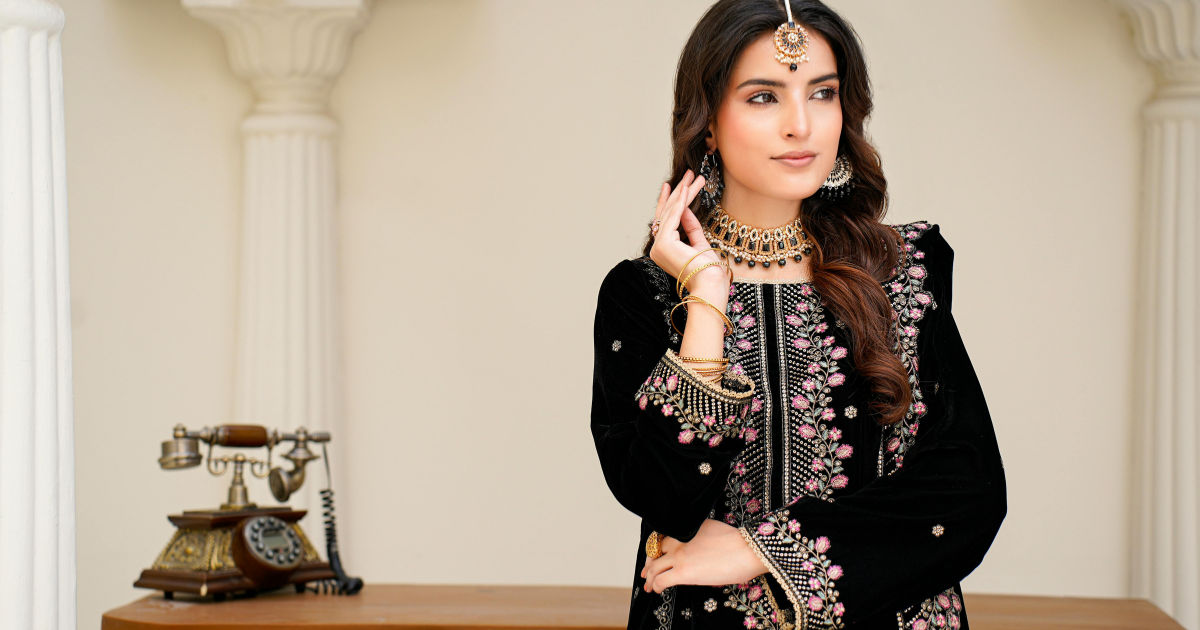
This comprehensive guide explores the most popular winter cloths, their styles, and how to incorporate them into your wardrobe for maximum comfort and elegance.
Understanding Winter Cloths
Winter cloths are designed to protect the body from cold weather. They are made from materials that provide insulation, such as wool, fleece, down, and synthetic fibers. Beyond functionality, winter fashion has evolved to include a variety of styles, colors, and trends suitable for different occasions. Knowing the basics of winter cloths helps in selecting pieces that are both warm and fashionable.
The Importance of Layering
Layering is a key concept in winter dressing. It allows you to adjust your outfit based on indoor and outdoor temperatures. Typically, layering includes three parts: the base layer, the middle layer, and the outer layer.
-
Base Layer: This layer sits closest to your skin and should be made of moisture-wicking materials like thermal underwear or lightweight wool. It keeps you dry and warm.
-
Middle Layer: The middle layer provides insulation. Sweaters, hoodies, and fleece jackets are ideal. This layer traps heat while allowing flexibility.
-
Outer Layer: This is the protective layer against wind, rain, and snow. Jackets, coats, parkas, and trench coats are typical outer layers. They should be water-resistant or waterproof and windproof for maximum protection.
Layering not only keeps you warm but also allows creativity in styling winter cloths. By mixing textures, colors, and patterns, you can create a unique winter look every day.
Popular Types of Winter Cloths
Several types of winter cloths dominate the fashion scene each year. Understanding these options helps in making informed choices based on your style and comfort preferences.
Wool Coats
Wool coats are a winter staple for both men and women. They are durable, warm, and versatile. Available in various lengths, from short pea coats to long overcoats, wool coats suit formal and casual occasions.
-
Styling Tips: Pair a long wool coat with skinny jeans and boots for a chic urban look. For office wear, a tailored wool coat over a blazer adds sophistication.
-
Colors: Classic shades like black, camel, gray, and navy are timeless, while bold colors like burgundy or forest green make a style statement.
Puffer Jackets
Puffer jackets, also known as down jackets, are known for their quilted design filled with insulating materials. These jackets are lightweight yet incredibly warm, making them ideal for harsh winters.
-
Styling Tips: Puffer jackets pair well with leggings, jeans, or casual trousers. For a sporty look, add sneakers and a beanie.
-
Variations: Cropped puffers, oversized puffers, and long puffers cater to different fashion preferences. Bright colors and metallic finishes are trendy options.
Parkas
Parkas are long, insulated jackets, often with a hood lined with faux fur or shearling. They are perfect for snowy or windy conditions and provide excellent coverage.
-
Styling Tips: Parkas work well with layered outfits. Wear them over sweaters, thermal pants, and boots for a rugged, cold-weather-ready look.
-
Colors and Features: Neutral shades like olive, navy, and beige are popular. Many parkas include multiple pockets and adjustable waists for both style and functionality.
Sweaters and Knitwear
Sweaters are the heart of winter fashion. They are cozy, versatile, and come in various designs, including pullovers, cardigans, turtlenecks, and oversized sweaters.
-
Styling Tips: Turtleneck sweaters pair well with skirts, trousers, or layered under coats. Chunky knits add texture and depth to your outfit.
-
Materials: Wool, cashmere, and blends provide warmth. Acrylic sweaters are budget-friendly alternatives while still offering comfort.
Scarves, Gloves, and Hats
Accessories like scarves, gloves, and hats are essential winter cloths. They not only protect extremities from the cold but also enhance your overall outfit.
-
Scarves: Wool or cashmere scarves add style while keeping your neck warm. Long scarves can be wrapped or draped for varied looks.
-
Gloves: Leather, wool, or insulated gloves are essential for hand warmth. Touchscreen-compatible gloves are practical for everyday use.
-
Hats: Beanies, berets, and wide-brim hats provide warmth and fashion. Choosing the right color or pattern can make accessories a focal point of your winter style.
Boots and Footwear
Winter footwear is crucial for both comfort and safety. Snow, ice, and rain require boots that provide traction and warmth.
-
Types: Ankle boots, knee-high boots, snow boots, and insulated sneakers are popular choices. Leather and waterproof materials offer durability.
-
Styling Tips: Pair boots with skinny jeans tucked in or layered over leggings. Adding patterned socks can enhance your outfit while providing extra warmth.
Trending Winter Cloths Styles
Fashion trends for winter cloths evolve every year. Knowing current trends can help you stay stylish while remaining warm.
Oversized Silhouettes
Oversized coats, sweaters, and cardigans are trendy for their relaxed fit and comfort. They allow easy layering and create a casual yet fashionable look.
-
Styling Tips: Balance oversized pieces with fitted pants or skirts to avoid a bulky silhouette. Add belts to define your waist.
Monochrome Outfits
Monochrome styling, using different shades of one color, is elegant and sophisticated. This approach works well with neutral tones like beige, gray, and cream.
-
Styling Tips: Pair a camel wool coat with beige boots and a matching scarf for a cohesive winter look. Monochrome outfits are ideal for both casual and formal settings.
Textured Fabrics
Mixing textures adds depth to winter outfits. Wool, leather, suede, and faux fur can be combined creatively to make your winter cloths stand out.
-
Styling Tips: Pair a faux fur coat with leather pants or a suede skirt with knitwear. Combining textures gives your outfit dimension and visual interest.
Statement Outerwear
Bold coats and jackets with unique designs, patterns, or colors are trending. From bright puffer jackets to printed wool coats, statement outerwear makes your outfit the center of attention.
-
Styling Tips: Keep other pieces simple to let your outerwear shine. Neutral scarves and boots balance bold designs.
Sustainable and Ethical Fashion
Sustainable winter cloths are gaining popularity. Eco-friendly fabrics, recycled materials, and ethically made coats are becoming mainstream.
-
Styling Tips: Choose pieces that are versatile and durable. Investing in high-quality, sustainable winter cloths reduces waste and ensures long-term use.
How to Choose Winter Cloths for Your Body Type
Selecting the right winter cloths involves considering your body type to ensure comfort and style.
For Petite Figures
Petite individuals benefit from fitted or tailored coats. Avoid overly long or oversized outerwear that may overwhelm the frame.
-
Tips: Shorter wool coats or cropped puffers paired with high-waisted pants create an elongated look.
For Tall Figures
Tall people can experiment with long coats, maxi cardigans, and oversized sweaters. These styles complement their height and create balance.
-
Tips: Layering different lengths adds interest. Wide belts can define the waist in long outerwear.
For Curvy Figures
Curvy individuals should choose structured coats and jackets that define the waist. A-line or tailored designs highlight curves without adding bulk.
-
Tips: Wrap coats, belted wool coats, and fitted parkas are flattering. Avoid shapeless oversized jackets that hide the body shape.
For Athletic Builds
Athletic builds can pull off various styles, from fitted jackets to oversized sweaters. Experimenting with textures and patterns adds dimension.
-
Tips: Layering slim-fit thermal tops under chunky knitwear creates a balanced winter look.
Caring for Winter Cloths
Proper care extends the life of your winter cloths and ensures they remain stylish.
Washing and Drying
Always check labels for washing instructions. Wool, cashmere, and down require gentle washing or dry cleaning. Avoid high heat while drying to prevent shrinkage or damage.
Storage
Store winter cloths in a cool, dry place during off-seasons. Use padded hangers for coats and jackets to maintain their shape. Vacuum-sealed bags help save space for bulky items.
Repair and Maintenance
Repair small tears, missing buttons, or broken zippers promptly. Regular maintenance prevents minor issues from ruining your winter cloths.
Seasonal Rotation
Rotate your winter cloths throughout the season to prevent wear in high-use pieces. Keep staples like coats and boots in rotation for even usage.
Winter Cloths for Different Occasions
Different occasions require varied winter dressing strategies. Choosing appropriate winter cloths ensures both comfort and style.
Casual Outings
For casual outings, puffer jackets, sweaters, and scarves are ideal. Pair them with jeans and boots for a relaxed yet stylish look.
Work and Professional Settings
Tailored wool coats, turtleneck sweaters, and structured pants suit office environments. Neutral colors maintain a professional appearance while keeping you warm.
Formal Events
For formal occasions, long wool coats, tailored trench coats, and elegant scarves elevate your style. Pair them with heels or polished boots for a sophisticated look.
Outdoor Activities
Parkas, insulated jackets, and snow boots are perfect for outdoor winter activities like hiking or skiing. Layering is essential for comfort and mobility.
Winter Cloths for Men and Women
Both men and women enjoy a wide variety of winter cloths. While some styles are unisex, others cater specifically to gender-specific trends.
Men’s Winter Cloths
Men’s winter fashion focuses on tailored coats, parkas, sweaters, and boots. Dark, neutral colors dominate, though bright puffers and patterned scarves are gaining popularity.
Women’s Winter Cloths
Women have a broader range of winter cloths, including coats, cardigans, knit dresses, boots, and accessories. Women’s fashion often embraces bolder colors, textures, and layering styles.
Unisex Options
Many modern winter cloths are unisex, such as oversized sweaters, puffer jackets, beanies, and gloves. These pieces focus on comfort, warmth, and versatility.
Conclusion
Winter fashion is about more than just staying warm—it’s an opportunity to express personal style through winter cloths. From classic wool coats to trendy puffers, layering, and accessories, there are countless ways to stay cozy and fashionable. Choosing the right fabrics, silhouettes, and colors ensures comfort while elevating your appearance.
Remember to care for your winter cloths properly, rotate them seasonally, and adapt your outfits to different occasions. Whether you’re dressing for casual outings, professional settings, or snowy adventures, the right winter wardrobe makes all the difference. Winter is not just a season; it’s a style statement waiting to be explored through thoughtful and practical fashion choices.
By understanding popular styles, current trends, and suitable layering techniques, anyone can create a winter wardrobe that balances warmth, comfort, and elegance. Winter is the perfect season to experiment with textures, colors, and statement pieces while staying protected from the cold. The right winter cloths help you achieve both functional and fashionable goals, ensuring every winter is stylishly comfortable.


Leave a Reply