

Introduction
Ever wondered why a perfectly cut part can still fail in assembly? (I ask because I’ve seen it many times.)
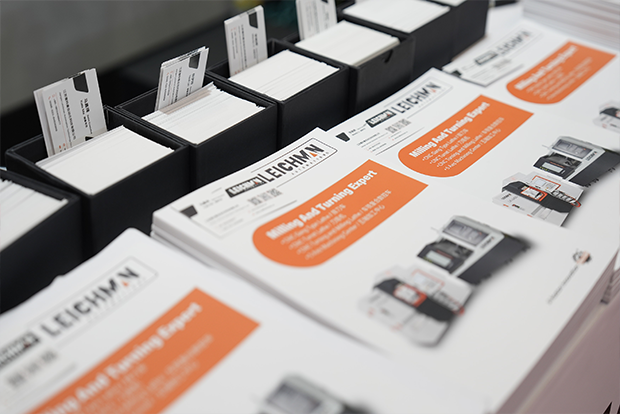
In my experience, CNC machine service sits at the center of that puzzle. I often point clients toward precision cnc machining services when tolerances and delivery matter — and I’m not saying that lightly. Recent shop-floor checks show small alignment errors cause up to 30% of rework in some runs. So what really causes those slips: calibration, worn fixtures, or the human side of setup? This is where we start—straight to the point, asking what keeps good shops from staying great.
I’ll walk you through the scene, the facts, and then the question that follows. Next, we dig under the hood.
Hidden Pain Points Beneath Precision
What’s really failing?
We often assume the machine is the sole actor. But the deeper problem is process drift. When I talk about precision cnc machining services, I mean more than a clean spindle and sharp cutters — I mean repeatable setup, consistent toolpath optimization, and disciplined inspection. Too many shops rely on memory. They trust an old g-code tweak, a fuzzy fixture, or a quick spindle speed change. Over time, these small choices add up. The result: parts that meet a caliper check but fail at assembly or under load.
Technically, the symptoms show up as dimensional creep, chatter marks, and intermittent tolerance misses. Practically, the pain is delivery delays and angry customers. Look, it’s simpler than you think — the fix isn’t always a new machine. Often, it’s standardized jigs, routine CNC controller firmware checks, and stronger operator notes. I’ve fixed a lot with small process templates and a checklist (yes, I still love a good checklist). That human factor—training, attention, and clear SOPs—makes the difference between occasional success and steady reliability.
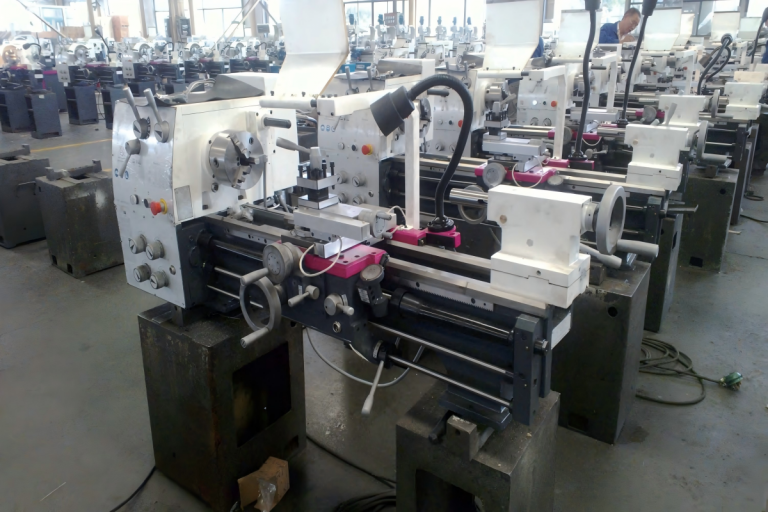
Future Outlook: New Principles and Practical Choices
What’s Next?
Looking ahead, shops that pair good practices with modest tech gains will win. I’m talking about predictive maintenance (sensors on bearings), smarter fixture design, and basic edge analytics that flag tool wear before a batch fails. If you search for cnc companies near me, choose the ones who can explain how sensor data links to a daily checklist — not those selling buzzwords without a plan. New technology principles are simple: sense more, act early, and close the feedback loop. These principles reduce unscheduled downtime and cut scrap. — funny how that works, right?
Compare two routes. One: spend on flashy new hardware but keep old habits. Two: tighten setup, add low-cost monitoring, and train teams to read signals. My money is on route two. Why? Because improvements compound. Small consistent gains in fixture repeatability and toolpath strategy—plus regular spindle checks—change throughput and morale. They also make pricing more reliable and customer trust stronger. I’ve seen shops double their effective uptime after a year of disciplined practice and modest tech steps.
Choosing the Right Partner — 3 Metrics I Use
When we pick a service partner, we look at three clear metrics: uptime improvement potential, tolerance pass-rate trend, and response-to-fix time. First, ask for evidence of uptime improvements — not promises. Second, request trend data on tolerance pass rates over months. Third, measure their average time to diagnose and fix a problem. These numbers tell you whether a supplier will help you sleep at night or just sell a story.
I’ve learned to trust partners who show data, teach the team, and stay practical. If you want help applying these ideas, check reputable local firms and compare their shop notes. In the end, steady precision beats sudden fixes. For support that combines experience with practical tools, consider reaching out to Leichman.


Leave a Reply