

Packing Machine is a key piece of equipment used in modern industries to pack products quickly, safely, and efficiently. A Packing Machine is widely used in food, pharmaceutical, chemical, and consumer goods industries.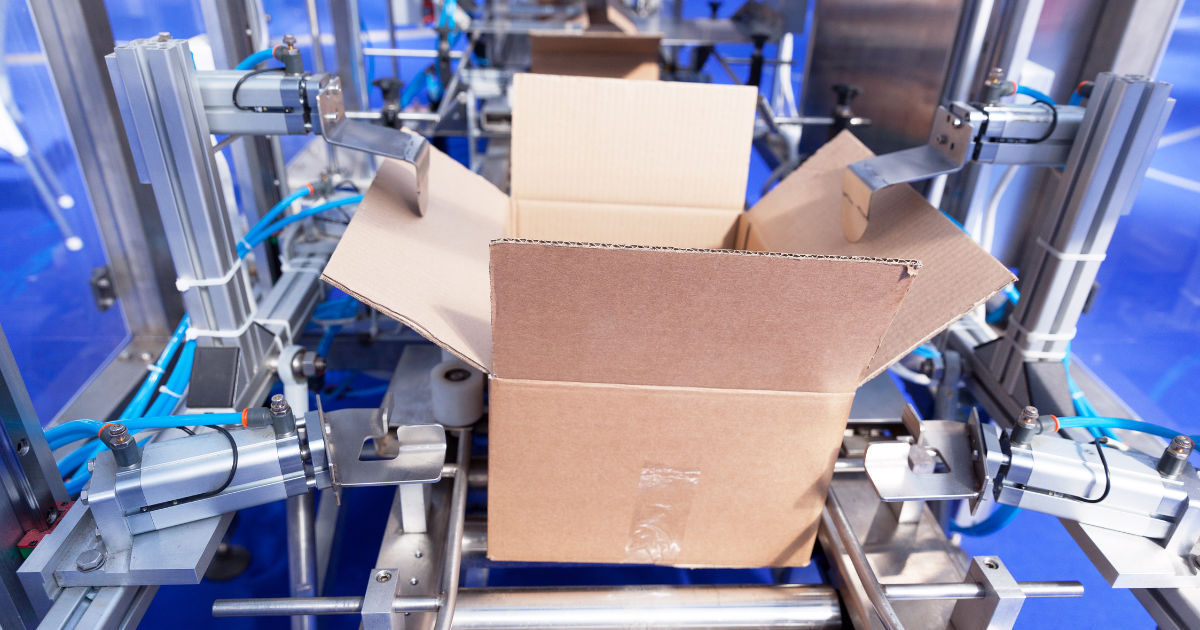
A Packing Machine helps automate the packaging process, reducing human effort and increasing production speed. In this article, we will explain in detail how a Packing Machine works, especially a vertical type, and why it is important in today’s manufacturing world.
A Packing Machine is designed to handle different types of products such as powders, granules, liquids, and small solid items. A Packing Machine ensures that products are packed in uniform sizes with proper sealing.
A Packing Machine also improves hygiene and reduces product wastage. By the end of this guide, you will clearly understand the working process, components, advantages, and applications of a vertical Packing Machine.
What is a Vertical Packing Machine?
A vertical Packing Machine is a type of automated packaging system where products are filled and sealed in a vertical direction. In this system, the product moves from the top to the bottom due to gravity.
A vertical Packing Machine is commonly used for packing snacks, sugar, rice, coffee, spices, and other free-flowing products. The design of a vertical Packing Machine allows continuous operation, making it highly efficient for mass production.
Unlike manual packaging, a vertical Packing Machine ensures accuracy, speed, and consistency in every pack. A modern Packing Machine of this type can produce hundreds of packets per minute depending on the model.
Main Components of a Vertical Packing Machine
To understand how a Packing Machine works, it is important to know its main parts.
Film Roll Holder
The film roll holder carries the packaging material. A Packing Machine uses a flexible plastic film that is pulled down during operation.
Forming Tube
The forming tube shapes the flat film into a cylindrical shape. This is an essential part of any Packing Machine because it creates the bag structure.
Sealing Unit
The sealing unit creates airtight seals on the top and bottom of each package. A Packing Machine relies on heat sealing for strong and durable packaging.
Weighing System
The weighing system measures the exact quantity of product. A Packing Machine ensures accurate filling to avoid overfilling or underfilling.
Control Panel
The control panel allows operators to set speed, weight, and other settings. A modern Packing Machine uses digital controls for precision.
Working Principle of a Vertical Packing Machine
The working principle of a Packing Machine is based on automation and gravity feeding.
First, the packaging film is pulled from the roll and shaped into a tube. A Packing Machine then seals the vertical edge to form a bag. The product is then measured using a weighing system.
Once the correct amount is ready, the Packing Machine releases the product into the formed bag. After filling, the bottom and top seals are created. The finished packet is then cut and discharged.
This entire process is continuous in a Packing Machine, allowing high-speed production with minimal human intervention.
Step-by-Step Working Process
Step 1: Film Feeding
In this stage, the Packing Machine pulls the packaging film from the roll. The film moves downward smoothly.
Step 2: Bag Formation
The film passes through a forming tube. The Packing Machine shapes it into a vertical bag.
Step 3: Vertical Sealing
The Packing Machine seals the sides of the film to form a strong bag structure.
Step 4: Product Measurement
The weighing system measures the exact quantity. A Packing Machine ensures consistency in every pack.
Step 5: Filling Process
The measured product is released into the bag. The Packing Machine ensures clean and accurate filling.
Step 6: Horizontal Sealing
The top and bottom of the bag are sealed using heat. The Packing Machine ensures airtight packaging.
Step 7: Cutting and Discharge
Finally, the sealed bag is cut and discharged. The Packing Machine repeats the cycle continuously.
Types of Products Packed Using Vertical Packing Machine
A Packing Machine can handle a wide range of products.
Food Products
Snacks, chips, rice, sugar, flour, and coffee are commonly packed using a Packing Machine.
Powdered Items
Spices, milk powder, and chemical powders are also packed using a Packing Machine.
Granules
Sugar, salt, and seeds are ideal for a Packing Machine.
Liquid Products
Some advanced Packing Machine models can also handle liquid packaging like sauces and juices.
Advantages of Using a Vertical Packing Machine
A Packing Machine offers many benefits for industries.
High Speed Production
A Packing Machine can pack hundreds of items per minute, improving productivity.
Accuracy
A Packing Machine ensures precise weight and quantity in every pack.
Reduced Labor Cost
Automation reduces the need for manual labor, making the Packing Machine cost-effective.
Better Hygiene
A Packing Machine minimizes human contact, ensuring hygienic packaging.
Consistency
Every package produced by a Packing Machine is uniform in size and shape.
Industrial Applications
A Packing Machine is widely used in various industries.
Food Industry
The food industry heavily depends on a Packing Machine for safe and fast packaging.
Pharmaceutical Industry
Medicines and powders are packed using a highly accurate Packing Machine.
Chemical Industry
Chemical powders and granules are packed safely using a Packing Machine.
Agricultural Sector
Seeds and fertilizers are packed using a durable Packing Machine.
Technology Used in Modern Packing Machines
Modern Packing Machine systems use advanced technologies.
PLC Control System
A PLC system controls the entire operation of the Packing Machine automatically.
Servo Motors
Servo motors improve speed and accuracy in a Packing Machine.
Touch Screen Interface
Operators can control the Packing Machine using a simple touch screen.
Sensors
Sensors ensure safety and precision in a Packing Machine.
Maintenance of a Vertical Packing Machine
Proper maintenance increases the life of a Packing Machine.
Regular Cleaning
Cleaning prevents contamination in the Packing Machine.
Lubrication
Moving parts of a Packing Machine should be lubricated regularly.
Inspection
Regular inspection ensures smooth performance of the Packing Machine.
Replacement of Parts
Worn-out parts should be replaced to maintain efficiency of the Packing Machine.
Common Problems and Solutions
Even a well-designed Packing Machine may face issues.
Film Jamming
This happens when the film is not aligned properly in the Packing Machine.
Incorrect Weight
Calibration issues in the Packing Machine may cause weight errors.
Seal Failure
Poor heat settings in the Packing Machine can lead to weak seals.
Machine Downtime
Regular maintenance reduces downtime in a Packing Machine.
Future of Vertical Packing Machine Technology
The future of Packing Machine technology is very promising. Smart automation and AI integration will make the Packing Machine even more efficient.
Future Packing Machine systems will focus on energy saving, faster production, and better precision. Robotics will also enhance the performance of a Packing Machine in large industries.
Safety Features in Packing Machines
Safety is very important in any Packing Machine.
Emergency stop buttons, overload protection, and temperature control systems are standard in modern Packing Machine designs. These features ensure safe operation for workers and machines.
Economic Benefits of Using a Packing Machine
A Packing Machine reduces operational costs in the long run. Although initial investment may be high, a Packing Machine increases productivity and reduces labor expenses.
A Packing Machine also reduces product wastage, which improves profit margins for businesses.
Conclusion
A vertical Packing Machine is an essential tool in modern manufacturing industries. A Packing Machine provides speed, accuracy, and efficiency that manual packaging cannot achieve. From food to pharmaceuticals, a Packing Machine plays a major role in ensuring safe and consistent packaging.
The working process of a Packing Machine is based on automation, where products are measured, filled, sealed, and cut in a continuous cycle. A Packing Machine improves productivity, reduces costs, and ensures better hygiene standards.
With advancing technology, the future of the Packing Machine looks even more advanced, with smart controls and higher efficiency. Industries that use a Packing Machine gain a strong competitive advantage in the market.
Overall, a Packing Machine is not just a machine but a complete solution for modern packaging needs.


Leave a Reply