

Twilight on the Dock: A Gentle Moment, A Sharp Demand
Here’s a scene you know: trucks idling under rose-blue light, pallets waiting like patient chess pieces, and a supervisor counting minutes by the glow of a handheld. A logistics management system may promise order, yet the clock wants proof. In that hush, data whispers louder than horns. And the first quiet truth is this: a logistics warehouse management system can turn the night from anxious to assured, if it solves more than surface mess. Last season, a mid-size hub shipped 98% on time—then slipped to 83% after promotion week. Why? Bottlenecks hid inside “normal” days, then burst at scale. Are we asking the right questions, or just rearranging lines on a screen (again)?
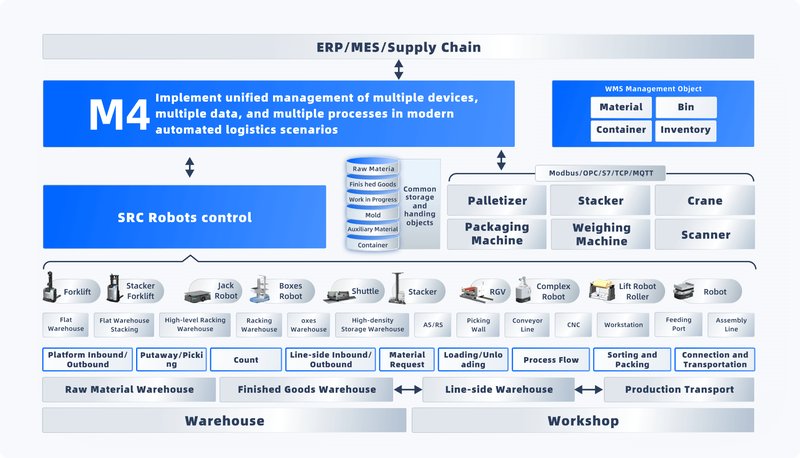
I think about forklifts moving like constellations, guided by rules that feel almost romantic in their clarity. Yet delays bloom from tiny misreads—RFID tags that blink late, pick paths that cross like tangled vines, and an AGV that must wait for a door. The data says the margins are razor-thin. The heart says we should do better. And the mind wonders: what if the quiet algorithm is the one that saves the shift? Let’s step into the next turn and look beneath the veneer, gently but firmly—because the dock does not forgive wishful thinking.
The Hidden Cracks in “Good Enough” Warehouses
Why do old fixes keep failing?
Let’s be plain. Traditional fixes bend under stress. Paper pick lists and nightly batch updates look tidy, but they hide lag. When orders spike, the delay grows into lost hours. A logistics warehouse management system cannot thrive if it feeds on stale queues. Wave picking with long intervals seems efficient on slides, yet operators chase dead zones in real aisles—funny how that works, right? Legacy WMS setups often bolt on RFID scanners and call it a day. But without real-time slotting optimization, those scans are just delayed echoes. And when PLC handshakes are brittle, one jam in a conveyor creates a domino line through the whole shift.
Here is the deeper flaw. Many tools optimize one island at a time. They miss the tide. They ignore dock-to-stock flow, cross-docking quirks, and the trade-off between speed and rework. They lack live telemetry. They don’t model exceptions. Look, it’s simpler than you think: if replenishment and picking don’t talk in milliseconds, aisles will stall. If labor planning waits for reports, crews will bunch and idle. And if returns triage sits outside the order promise, support teams will drown at dusk. The fix is not louder dashboards; it is time-aware coordination—where data moves first, people move once, and the system respects reality, not a chart.
From Stopgaps to Systems: Comparative Paths and What’s Next
What’s Next
We move forward by comparing two logics. One says “optimize steps.” The other says “optimize time.” Modern principles favor the second. A strong logistics warehouse management system treats flow as a living map. It uses event-driven orchestration, not batch cycles. Data streams from edge computing nodes near doors and pack stations, so decisions happen where work happens. Microservices handle tasks in parallel, while lightweight message queues coordinate handoffs. Digital twin models simulate congestion before it arrives—then revise slotting and task interleaving on the fly. And power converters, AGV chargers, and dock sensors feed health signals into the same fabric, because uptime is a plan, not a hope.

Compare that to the patchwork stack: nightly reports, manual overrides, fixed wave times, and “urgent” labels that mean nothing by noon. The future-ready path is quieter. It forecasts short-term load with simple cues (inbound trailer mix, SKU velocity shifts, return rates). It balances human picks and AMR routes without drama. It blends rules with reinforcement learning, but only where it’s stable and auditable—because trust matters at 3 a.m. Here’s your short list for choosing well—advisory, not hype: 1) latency budget: can the system react under 500 ms from scan to task update; 2) exception gravity: how it detects and resolves jams across picking, replenishment, and docking; 3) adaptive planning: whether labor, inventory, and carrier cutoffs replan in-session without reset. Do these, and the dock grows calm—then brave. And if you want a name for the quiet craft behind such systems, you already know where to look: SEER Robotics.


Leave a Reply