

Electric reactor s are integral to the electrical grid, ensuring efficient energy transmission from power stations to homes and businesses. These transformers are often exposed to harsh environmental conditions and mechanical stresses, which can affect their reliability and lifespan. To minimize disruptions in power supply, it’s essential to implement sustainable solutions that not only improve transformer performance but also extend their operational life. This article explores key strategies that contribute to the reliability and longevity of power transformers in a sustainable manner.
1. Use of Advanced Materials
One of the most critical aspects of transformer reliability is the quality of materials used in their construction. Modern materials, including high-performance insulation oils, magnetic core materials, and transformer bushings, play a significant role in improving transformer efficiency. For instance, vegetable-based transformer oils, which are biodegradable and less toxic compared to traditional mineral oils, are becoming increasingly popular. These oils not only reduce the environmental impact in case of leakage but also enhance thermal stability, which directly contributes to transformer longevity.
In addition to oils, advancements in insulation materials, such as solid, gas-filled, and hybrid designs, are helping to extend the life of transformers by preventing premature degradation. These materials improve the electrical insulation and thermal performance, ensuring that transformers operate efficiently even under challenging conditions.
2. Condition-Based Monitoring Systems
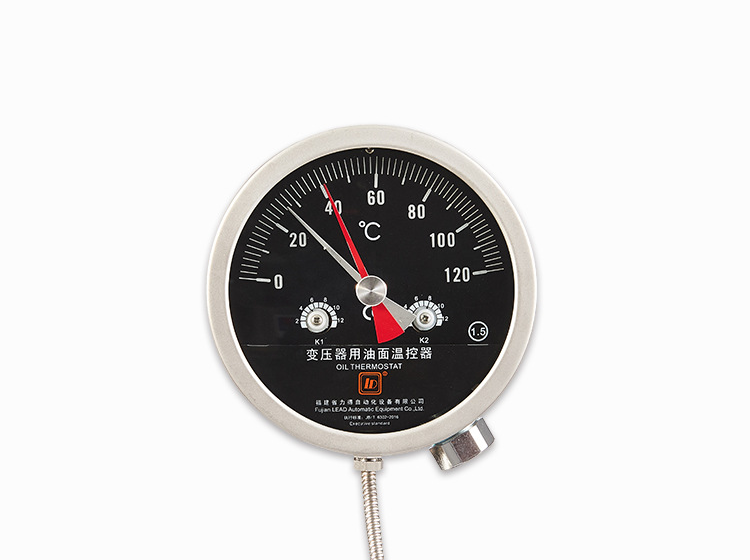
Real-time monitoring technologies are transforming how transformers are maintained and operated. By deploying condition-based monitoring systems (CBM), utilities can track key indicators such as temperature, pressure, oil levels, and moisture content, which directly affect the transformer's health. Sensors embedded within the transformer enable operators to receive early warnings of potential issues such as overheating or oil degradation, thus allowing for timely intervention and reducing the risk of catastrophic failures.
Smart grid technologies, which integrate advanced sensors and communication systems, offer even greater levels of monitoring and control. This allows for predictive maintenance, which focuses on fixing issues before they lead to failures, rather than relying solely on scheduled maintenance intervals.
3. Eco-Friendly Transformer Design
Incorporating environmentally friendly designs into transformer construction not only supports sustainability goals but also improves operational longevity. For example, designs that reduce energy losses, such as amorphous steel cores, can enhance efficiency while reducing the carbon footprint of the transformer. Amorphous steel, a non-crystalline alloy, significantly reduces core losses and improves energy efficiency, leading to lower operational costs and extended lifespan.
Another eco-friendly approach is the design of transformers that use less harmful insulating fluids. In place of mineral oils, biodegradable alternatives, including synthetic ester oils or natural ester oils, are being used increasingly. These options not only reduce the environmental impact in case of leaks or spills but also offer better fire resistance and lower toxicity compared to conventional oils.
4. Sustainable Maintenance Practices
A key factor in prolonging the life of power transformers is adopting sustainable maintenance practices. Traditional maintenance strategies often rely on oil replacements and equipment overhauls, which can be costly and environmentally taxing. By utilizing diagnostic tools and data analytics, utilities can adopt condition-based or predictive maintenance approaches. These methods allow for more accurate forecasting of transformer failures, thereby reducing unnecessary maintenance activities and enhancing the overall sustainability of transformer operations.
Recycling and reusing components, such as metal parts, oil, and paper insulation, further contribute to sustainability. By extending the lifecycle of individual transformer components, utilities reduce waste and avoid the need for frequent replacements.
5. Designing for End-of-Life Recycling
As transformers reach the end of their operational life, decommissioning and recycling become crucial. Sustainable end-of-life practices involve the dismantling and recycling of transformer components, such as copper windings, aluminum, steel, and insulation. Modern decommissioning methods aim to minimize environmental harm by ensuring that oils are disposed of properly and that all recyclable materials are reused.
Conclusion
Power transformers are vital assets in the electrical grid, and ensuring their reliability and longevity is essential for sustainable energy management. By adopting advanced materials, real-time monitoring systems, eco-friendly designs, and sustainable maintenance practices, utilities can significantly improve the operational efficiency and lifespan of these critical components. In doing so, they contribute not only to the reliability of the electrical grid but also to the broader goal of reducing environmental impact and supporting long-term sustainability in the energy sector.


Leave a Reply