

Municipal water treatment plants play a crucial role in providing clean and safe water to communities. These facilities are responsible for treating water from various sources, such as rivers, lakes, and groundwater, and then distributing it to households, businesses, and industries. One of the key challenges in managing a water treatment plant is ensuring that the water levels in storage tanks are accurately monitored and controlled. This is where advanced technology like the External Ultrasonic Level Meter comes into play.
Why are accurate water level measurements critical for water treatment plants?
Accurate water level measurements are essential for several reasons. Firstly, they help optimize the pumping process, ensuring that water is efficiently treated and distributed. By monitoring the water levels in storage tanks, plant operators can adjust the pumping rates to maintain a steady supply of water to the community. This is particularly important during periods of high demand, such as hot summer days or during emergencies when water usage may spike. Secondly, accurate measurements help prevent overflows and underflows, which can lead to water wastage and potential environmental issues. Lastly, precise level monitoring ensures that the treatment process is consistent and effective, as the correct amount of chemicals can be added based on the water volume.
How do ultrasonic level sensors work in water treatment plants?
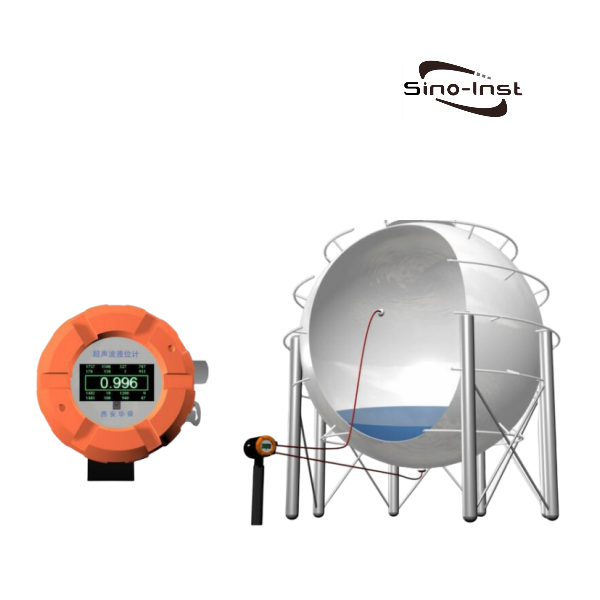
The Ultrasonic Level Sensor for Tanks is a non-contact device that uses sound waves to measure the distance between the sensor and the water surface. These sensors are installed on the outside of the storage tanks, eliminating the need for invasive installation methods. They emit ultrasonic waves that bounce off the water surface and return to the sensor. By calculating the time it takes for the sound waves to travel to the water surface and back, the sensor can accurately determine the water level. This technology is highly reliable and provides continuous real-time data, allowing plant operators to monitor water levels 24/7.
What are the benefits of using external tank level sensors?
The use of External Tank Level Sensors offers several advantages. One of the most significant benefits is the non-invasive installation process. Unlike traditional level sensors that require cutting holes in the tank, ultrasonic sensors can be easily mounted on the outside of the tank. This not only saves time and resources but also minimizes the risk of leaks and contamination. Additionally, these sensors are highly accurate and can measure water levels with a precision of up to 1 mm. They are also robust and can withstand harsh environmental conditions, making them ideal for use in water treatment plants.
How do external ultrasonic level meters enhance operational efficiency?
The External Ultrasonic Level Meter provides continuous readings, allowing plant operators to optimize the pumping process. By having real-time data on water levels, operators can adjust the pumping rates to ensure a steady supply of water. This helps prevent over-pumping, which can lead to energy wastage and increased operational costs. Additionally, the level meter's ability to detect sudden drops or increases in water levels allows for prompt corrective action. For example, if there is a sudden drop in water level due to a leak, the sensor can immediately notify the staff, enabling them to take corrective measures and minimize water loss.
What are the technical specifications of external ultrasonic level meters?
The External Ultrasonic Level Meter is designed to meet the stringent demands of water treatment plants. It has a measurable range of up to 30 meters and can handle various tank materials, including carbon steel, stainless steel, fiberglass, and more. The level meter can operate in a wide temperature range (-50°C to +70°C) and has a display resolution of 1 mm. It also features a self-calibration function, ensuring long-term accuracy and reliability. The level meter can output standard 4-20mA signals and supports communication protocols like RS485/MODBUS/HART, making it easy to integrate with existing control systems.
How do external ultrasonic level meters contribute to water conservation?
Water conservation is a critical issue in many regions, and accurate level monitoring plays a vital role in reducing water wastage. By providing precise measurements, the External Ultrasonic Level Meter helps ensure that water is efficiently used and distributed. Plant operators can optimize the treatment process based on real-time data, reducing the need for excess water treatment and storage. Additionally, the level meter's ability to detect leaks and other anomalies helps prevent water loss, contributing to overall water conservation efforts.
What are the installation requirements for external ultrasonic level meters?
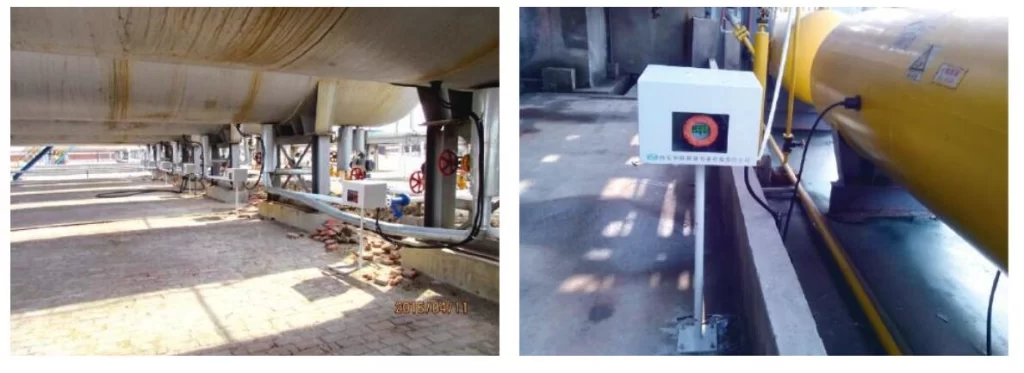
Installing an External Ultrasonic Level Meter is straightforward and does not require invasive installation methods. The sensor is mounted on the outside of the tank, ensuring that it does not come into direct contact with the water. For optimal performance, the installation surface should be smooth and free of obstructions. The sensor should also be positioned away from the water inlet and outlet to avoid interference from water splashes. Proper installation ensures accurate measurements and reliable performance.


Leave a Reply