

A lush, green lawn is the pride of every homeowner. Achieving a vibrant, healthy lawn is not just about aesthetic appeal—it also provides a safe space for children to play, reduces soil erosion, and enhances your property value. However, creating and maintaining such a lawn requires consistent effort and proper knowledge.
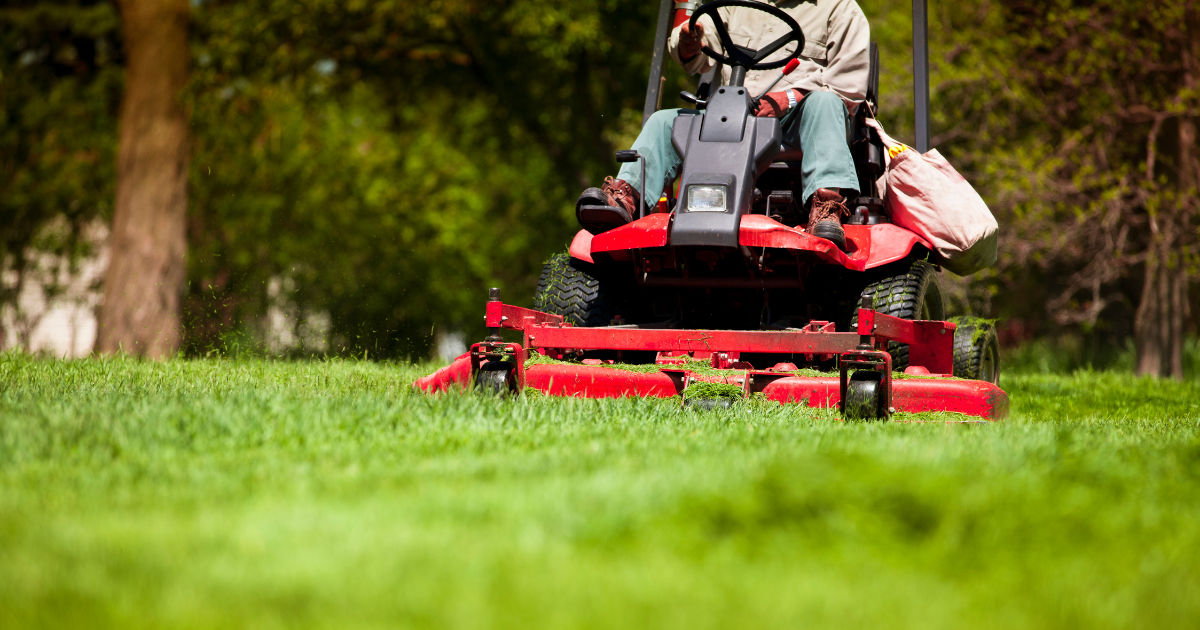
The foundation of a beautiful yard lies in effective lawn care and maintenance. In this comprehensive guide, we will explore the top five essential tasks that ensure your lawn remains healthy, green, and resilient throughout the year.
Whether you are a beginner gardener or someone looking to refine your lawn care skills, understanding these essential tasks will give you the confidence to maintain your outdoor space effectively. By the end of this guide, you will have a step-by-step roadmap for achieving a lawn that is the envy of your neighborhood.
Basics of Lawn Care and Maintenance
Before diving into the specific tasks, it’s essential to understand what lawn care and maintenance entails. Lawn care is not just mowing your grass. It is a combination of several practices, including proper watering, fertilization, pest control, soil management, and routine upkeep. The goal is to provide your lawn with the right nutrients, protect it from diseases and pests, and create an environment where grass can thrive naturally.
Every lawn is different, influenced by factors such as climate, soil type, and grass species. Therefore, a well-rounded lawn care and maintenance routine should be adaptable. Knowing the basics allows you to respond to issues before they escalate and ensures your lawn looks its best year-round.
Task 1: Regular Mowing
Mowing is often considered the most basic aspect of lawn upkeep, yet it is one of the most critical elements of lawn care and maintenance. Proper mowing promotes strong root growth, prevents weeds, and enhances the overall appearance of your lawn.
How to Mow Correctly
-
Mow at the Right Height: Different grass types require different mowing heights. For example, Bermuda grass thrives at 1–2 inches, while Kentucky bluegrass prefers 2.5–3.5 inches. Cutting grass too short can stress it, making it vulnerable to pests and diseases.
-
Maintain Sharp Blades: Dull mower blades tear the grass, causing brown tips and increasing the risk of disease. Sharpen your blades regularly to ensure clean cuts.
-
Follow the One-Third Rule: Never remove more than one-third of the grass blade at a time. Cutting too much at once can shock the grass, slowing growth and weakening the lawn.
-
Vary Mowing Patterns: Changing the mowing direction each time prevents soil compaction and encourages upright growth, leading to a more even and lush lawn.
Benefits of Regular Mowing
Regular mowing reduces weed growth, improves sunlight absorption, and encourages denser grass coverage. A well-mowed lawn also enhances curb appeal and creates a healthy foundation for other lawn care and maintenance tasks.
Task 2: Proper Watering
Watering is the lifeblood of any lawn, and improper watering can undo all your mowing and fertilization efforts. Understanding how much and how often to water is crucial for effective lawn care and maintenance.
Watering Techniques
-
Deep and Infrequent Watering: Watering deeply but less frequently encourages roots to grow deeper into the soil. Shallow, frequent watering results in weak, surface-level roots that are more prone to drought.
-
Time of Day Matters: Early morning is the best time to water. Cooler temperatures and lower wind speeds reduce evaporation, allowing water to penetrate the soil efficiently.
-
Use the Right Equipment: Sprinklers should distribute water evenly across your lawn. Consider using soaker hoses or irrigation systems for more efficient watering.
-
Check Soil Moisture: Stick a screwdriver into the soil. If it penetrates easily and the soil is damp a few inches below the surface, you’re watering adequately.
Signs of Overwatering and Underwatering
Overwatered lawns appear soggy, have yellowing grass, and may develop fungal diseases. Underwatered lawns look dry, wilted, and turn brown. Both scenarios compromise your lawn care and maintenance efforts. Monitoring your lawn and adjusting watering schedules according to seasonal changes is essential.
Task 3: Fertilization and Soil Management
Grass needs nutrients to grow strong and healthy. Fertilization is a cornerstone of lawn care and maintenance, providing essential nutrients like nitrogen, phosphorus, and potassium. However, fertilization without understanding soil conditions can be ineffective or even harmful.
Understanding Lawn Nutrients
-
Nitrogen (N): Promotes lush, green growth and strengthens the grass blades.
-
Phosphorus (P): Supports strong root development and enhances disease resistance.
-
Potassium (K): Improves drought tolerance and overall plant health.
Fertilization Tips
-
Conduct a Soil Test: A soil test reveals nutrient deficiencies and pH levels. This information guides you in choosing the right fertilizer type and application rate.
-
Use Slow-Release Fertilizers: Slow-release fertilizers provide a steady supply of nutrients over time, reducing the risk of nutrient burn and minimizing the need for frequent applications.
-
Follow Seasonal Schedules: Spring and fall are ideal times for fertilization, supporting growth and root strengthening. Summer fertilization should be lighter to avoid stressing the lawn.
-
Avoid Over-Fertilization: Too much fertilizer can lead to nutrient runoff, pollution, and weak, thatchy grass. Stick to recommended application rates for your lawn size.
Soil Health Management
Soil health is the foundation of successful lawn care and maintenance. Aerating compacted soil, adding organic matter like compost, and maintaining proper pH levels improve nutrient absorption, root development, and water retention. Healthy soil ensures your lawn thrives even in challenging conditions.
Task 4: Weed, Pest, and Disease Control
A lawn free of weeds, pests, and diseases is a hallmark of proper lawn care and maintenance. Weeds compete with grass for nutrients, pests can damage roots and blades, and diseases can spread rapidly, leaving unsightly brown patches.
Weed Management
-
Identify Common Weeds: Dandelions, crabgrass, and clover are frequent offenders. Correct identification helps choose the most effective control method.
-
Pre-Emergent Herbicides: Applied early in the season, these prevent weed seeds from germinating.
-
Manual Removal: Small infestations can be managed by hand-pulling weeds to avoid herbicide overuse.
Pest Control
Common lawn pests include grubs, chinch bugs, and sod webworms. Early detection is key. Signs include patchy grass, wilting, and unusual insect activity. Using natural predators, insecticidal soaps, or targeted chemical treatments can help manage infestations without harming beneficial insects.
Disease Prevention
Fungal diseases like brown patch or powdery mildew often arise from overwatering, poor drainage, or excessive fertilization. Practices like proper watering, aeration, and mowing can prevent many lawn diseases. If infection occurs, fungicides and removing affected grass sections can contain the spread.
Task 5: Aeration and Thatch Management
Aeration and thatch control are often overlooked but essential for advanced lawn care and maintenance. These practices ensure proper air, water, and nutrient flow to the grass roots.
What is Aeration?
Aeration involves perforating the soil with small holes to alleviate compaction. This allows roots to access oxygen, nutrients, and water more effectively. Lawns with heavy foot traffic or clay soils benefit most from aeration.
How to Aerate
-
Choose the Right Time: Early spring or fall is ideal for cool-season grasses, while late spring is suitable for warm-season grasses.
-
Select an Aeration Tool: Manual or machine aerators can be used. Core aerators, which remove small plugs of soil, are the most effective.
-
Post-Aeration Care: Apply fertilizer and water after aeration to help grass recover quickly and encourage growth.
Thatch Management
Thatch is a layer of organic debris that accumulates between the soil and grass. A thin layer is beneficial, but excess thatch blocks water, nutrients, and air. Dethatching tools or machines can remove excess buildup, supporting healthier lawns.
Additional Tips for Successful Lawn Care and Maintenance
While these five tasks form the core of lawn care and maintenance, additional habits can enhance results:
-
Regular Monitoring: Inspect your lawn weekly for signs of stress, pests, or disease. Early detection saves time and effort.
-
Edge Your Lawn: Proper edging improves aesthetics and prevents grass from encroaching on sidewalks and flower beds.
-
Mulching: Mulching mower clippings return nutrients to the soil, reducing the need for additional fertilizer.
-
Seasonal Adjustments: Adjust mowing height, watering, and fertilization schedules according to seasonal changes.
Conclusion
Effective lawn care and maintenance requires dedication, consistency, and a solid understanding of basic gardening principles. Regular mowing, proper watering, fertilization, weed and pest control, and aeration form the backbone of a healthy, thriving lawn. Each task complements the others, creating a synergistic effect that ensures your grass remains green, strong, and resilient.
By implementing the strategies outlined in this guide, you can transform an ordinary lawn into a lush, inviting space. Remember, a beautiful lawn does not happen overnight—it is the result of ongoing care, observation, and attention to detail. With the right approach, your lawn can provide beauty, comfort, and enjoyment for years to come.
Investing time and effort into lawn care and maintenance is not just about appearances; it is about cultivating a sustainable, healthy outdoor environment for your family and community.


Leave a Reply