

Choosing a breast pump for the first time can feel overwhelming. New parents often see dozens of options, from simple hand pumps to wearable electric devices with apps, timers, and multiple settings. The right choice depends on your lifestyle, pumping goals, comfort needs, and budget.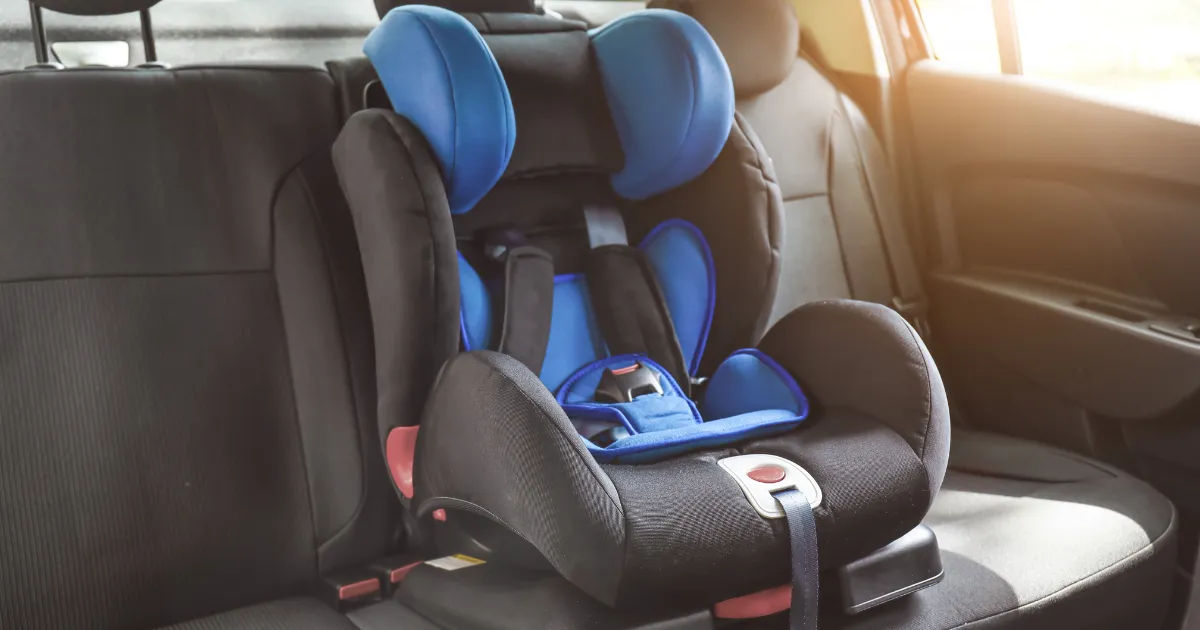
For many beginners, the best breast pump is not necessarily the most expensive model. It is usually a pump that is easy to assemble, comfortable to use, simple to clean, and suitable for how often you plan to pump.
A beginner who pumps once in a while may need something very different from a parent who plans to pump every day at work.Although Baby seat cooler may seem unrelated to breastfeeding equipment, many new parents search for several baby-care products at once.
It is important to focus on the features that truly matter when selecting a breast pump instead of choosing based only on marketing claims or trendy designs.A breast pump is a medical device that helps express breast milk.
It can be useful when a parent is returning to work, traveling, building a milk supply, feeding expressed milk, or spending time away from the baby. The Food and Drug Administration explains that breast pumps may be manual, battery-powered, or electric, and each type serves different needs.
Understanding the Different Types of Breast Pumps
Before choosing the best breast pump for beginners, it helps to understand the main categories available.
Manual Breast Pumps
Manual breast pumps are operated by hand. They usually have a handle or lever that creates suction when squeezed. These pumps are often small, lightweight, and easy to carry in a bag.
A manual pump can be a good choice for beginners who only expect to pump occasionally. For example, a parent may use one for relief when breasts feel overly full, for short trips, or as a backup during travel.
Manual pumps are usually quieter than electric pumps. They also do not require batteries, charging, or access to an electrical outlet. However, they can take more time and effort because the user must create the suction manually.
A manual pump may not be the best option for someone who plans to pump several times a day. Frequent hand pumping can become tiring, especially during busy workdays or late-night feeding schedules.
When comparing parenting products, including Baby seat cooler options, remember that convenience matters. The same is true for breast pumps. A manual pump is convenient for occasional use but may not offer enough support for a demanding pumping routine.
Single Electric Breast Pumps
Single electric pumps use a motor to create suction. They pump one breast at a time and often allow the user to adjust suction strength and speed.
For beginners, a single electric pump can be a practical middle-ground choice. It is often easier than a manual pump but may cost less than a double electric model.
Single electric pumps can work well for parents who breastfeed directly most of the time and only pump once or twice a day. They can also be useful for parents who need to express milk while away from their baby for short periods.
However, pumping one side at a time may take longer. This can be difficult for someone with a tight schedule, especially if they need to pump during work breaks.
Double Electric Breast Pumps
Double electric breast pumps allow users to pump both breasts at the same time. This can reduce the amount of time spent pumping and may be especially useful for parents who pump regularly.
For many beginners who plan to return to work, school, or frequent travel, a double electric pump is often the most practical choice. It can make a regular pumping routine easier to manage.
The FDA notes that double pumps can decrease pumping time because both breasts are pumped simultaneously.
A double electric pump may cost more than a manual or single electric model, but it can be worthwhile for parents who expect to pump multiple times per day.
Wearable Breast Pumps
Wearable breast pumps fit inside a bra and do not usually require external tubing. They are designed for portability and hands-free pumping.
These pumps can be appealing to beginners because they look convenient. A parent may be able to move around the house, prepare food, work at a desk, or care for an older child while pumping.
However, wearable pumps are not always the best first choice for every beginner. They may have a learning curve, require careful positioning, and may not work equally well for all users. Some parents find them useful as a second pump rather than their main pump.
Wearable pumps can be helpful for busy parents, just as a Baby seat cooler can be useful during travel or warm weather. Still, convenience should not replace comfort, fit, and reliable milk expression.
What Makes a Breast Pump Good for Beginners?
The best breast pump for beginners should feel manageable. New parents already have many responsibilities, so a pump should not add unnecessary stress.
Here are the most important features to consider.
Easy Assembly
A beginner-friendly pump should have simple parts and clear instructions. If a pump has too many small pieces, it can feel frustrating to assemble when tired or rushed.
Before purchasing, look at the instruction manual online if possible. Check whether the parts are clearly labeled and whether the pump is easy to take apart for cleaning.
The FDA recommends choosing a pump that is easy to assemble, use, and clean. It also suggests reviewing instructions before buying because many stores do not accept returns for breast pumps due to health reasons.
Comfortable Breast Shields
The breast shield, sometimes called a flange, is the cone-shaped part that fits over the breast and nipple. Proper fit is extremely important.
A breast pump should not cause ongoing pain, bleeding, or significant nipple damage. If pumping is painful, the breast shield may be the wrong size, the suction may be too strong, or the pump may not be positioned correctly.
Many pumps come with one standard shield size, but beginners should check whether other sizes are available. A good beginner pump should make it easy to purchase replacement shields if needed.
The FDA advises users to make sure the breast shield fits comfortably and allows the nipple to be centered in the opening.
Adjustable Suction Settings
A pump with adjustable suction can help beginners find a comfortable level. Stronger suction does not always mean better results.
Starting with a lower setting and gradually adjusting can help users become familiar with the pump. The goal is effective, comfortable pumping, not discomfort.
Some pumps have a stimulation or let-down mode followed by an expression mode. These settings are designed to imitate different parts of a baby’s feeding pattern.
Simple Cleaning Process
Cleaning is one of the most important parts of pumping. Milk residue can allow germs to grow if pump parts are not cleaned properly.
A beginner-friendly pump should have parts that are easy to wash and dry. Fewer parts can make daily cleaning less stressful.
The CDC recommends washing hands before handling pump parts, using clean equipment, and cleaning milk-contact parts after use. It also recommends following the manufacturer’s instructions for cleaning and sanitizing.
A Baby seat cooler may be easy to wipe down after use, but breast pump parts require more careful cleaning because they come into contact with breast milk.
Portability
Think about where you plan to pump. If you will mostly pump at home, a larger electric pump may be perfectly suitable. If you will pump at work, school, in the car as a passenger, or while traveling, portability becomes more important.
Look for a pump that fits your routine. Consider its weight, battery options, charging method, carrying case, and noise level.
Reliable Power Options
Electric pumps may run on wall power, batteries, rechargeable batteries, or USB charging. Beginners should think about what happens if power is unavailable.
A manual pump can be a useful backup option during travel, power outages, or unexpected situations. The FDA notes that people who rely on powered pumps may benefit from having a backup method available.
The Best Breast Pump for Different Beginner Needs
There is no single breast pump that works perfectly for every parent. The best choice depends on how often you expect to pump.
Best for Occasional Pumping
A manual breast pump is often best for occasional pumping. It is affordable, portable, and easy to keep as a backup.
This type of pump may be enough for someone who mainly breastfeeds directly and only needs to pump occasionally for comfort, a short outing, or an emergency supply.
A manual pump can also be useful for parents who want a simple option without charging cords or motor noise.
Best for Returning to Work
A double electric pump is often best for beginners returning to work or school. Pumping both breasts at once can save time during limited breaks.
Look for a pump with a rechargeable battery, adjustable suction, a quiet motor, and easy-to-clean parts. A carrying bag and cooler storage compartment may also be helpful.
Parents preparing for work may also shop for related items, such as a Baby seat cooler, storage bags, insulated lunch bags, and nursing pads. However, the pump itself should remain the priority because it affects comfort and daily pumping success.
Best for Travel
For travel, portability is essential. A compact electric pump or manual pump may work well, depending on how frequently you need to pump.
A rechargeable electric pump can be useful if you have access to charging. A manual pump can provide peace of mind if batteries fail or electricity is unavailable.
Traveling parents should also pack clean pump parts, storage containers, a cooler bag, ice packs, wipes, and a backup method for expressing milk.
Best for Exclusive Pumping
Exclusive pumping means feeding expressed milk rather than nursing directly at the breast most or all of the time. This routine often requires frequent pumping.
For exclusive pumping, a double electric pump is usually the most suitable starting point. It can reduce pumping time and support a consistent schedule.
Because exclusive pumping can be demanding, comfort and reliability matter more than trendy features. Choose a pump with replacement parts that are easy to find and a design that is simple to clean.
Best for Parents on a Budget
A budget-friendly pump does not have to be low quality. Beginners should focus on safety, comfort, and practicality instead of unnecessary extras.
A manual pump is usually the lowest-cost option. A basic single electric pump can also be a good choice for occasional use.
Before buying, check whether your health insurance, workplace benefits, local health services, or community programs offer breast pump support. The FDA notes that some insurance plans and assistance programs may help cover breast pumping equipment.
Why Fit Matters More Than Brand
Many beginners focus on brand names, colors, or online reviews. While reviews can be useful, fit is usually more important.
A pump that works well for one person may not feel comfortable for another. Breast shape, nipple size, milk flow, pumping schedule, and personal comfort can all affect the experience.
A popular pump may still be the wrong choice if the breast shield does not fit well. Before buying, check whether the brand sells multiple flange sizes and replacement parts.
If pumping causes persistent pain, nipple damage, or bleeding, stop and seek advice from a healthcare professional or lactation consultant. The FDA states that pumping should not cause pain, soreness, or bleeding.
Should Beginners Buy a Used Breast Pump?
In most cases, beginners should avoid buying a used single-user breast pump.
Breast pumps are medical devices, and pumps designed for one person should not be shared. Used pumps can carry contamination risks, even if they look clean.
The FDA advises against sharing or buying pre-owned single-user breast pumps. Only pumps designed for multiple users should be rented or shared, and each user should have their own personal accessories kit.
This is an important safety issue. A Baby seat cooler can sometimes be purchased secondhand if it is in safe condition and can be cleaned properly, but breast pumps follow different hygiene rules.
How to Start Pumping as a Beginner
Starting slowly can make the process easier.
Read the Instructions First
Every breast pump works a little differently. Read the manual before your first session. Learn how to assemble the parts, adjust settings, and clean the equipment.
Wash Your Hands
Wash your hands with soap and water before handling pump parts or breast milk containers.
Use Clean Parts
Make sure all parts that touch milk are clean and dry. Check tubing and other parts for moisture, mold, cracks, or damage.
Begin With Gentle Suction
Start at a low suction setting. Increase only if it feels comfortable. Pumping should not hurt.
Find a Comfortable Position
Sit comfortably with your back supported. Place the breast shield over the nipple so it is centered. Try to relax, drink water, and give yourself time.
Keep a Simple Routine
If you are away from your baby, pumping around the times your baby normally feeds can help maintain your milk supply. The CDC recommends pumping as often as the baby drinks breast milk when you are separated or exclusively pumping.
Cleaning and Storing Pump Parts
Cleaning may feel like extra work, but it is essential for safe pumping.
After each pumping session, clean the parts that come into contact with breast milk. Follow the manufacturer’s instructions because some parts may be dishwasher safe while others must be washed by hand.
The FDA recommends washing milk-contact parts with dishwashing soap and warm water, rinsing thoroughly, and allowing parts to air dry on a clean surface.
Do not dry pump parts with a used kitchen towel. Air drying helps reduce the chance of transferring germs.
The CDC notes that daily sanitizing may be especially important when a baby is under two months old, premature, or has a weakened immune system.
Common Beginner Mistakes to Avoid
Choosing Based Only on Price
The cheapest pump may not be the best value if it is uncomfortable, difficult to clean, or unsuitable for your schedule.
Choosing Based Only on Social Media Trends
A popular wearable pump may look appealing, but it may not be the best main pump for every beginner.
Ignoring Flange Size
Poor fit can lead to discomfort and less effective pumping. Check available breast shield sizes before buying.
Using Too Much Suction
Higher suction is not always better. Comfort and proper positioning matter more.
Skipping Cleaning Steps
Cleaning pump parts after use is necessary to protect milk from contamination.
Buying a Used Single-User Pump
Avoid secondhand single-user pumps because they may carry infection risks.
Forgetting a Backup Plan
If you rely on an electric pump, consider keeping a manual pump available for travel, emergencies, or power outages.
Questions to Ask Before Buying a Breast Pump
Before making a final choice, ask yourself these questions:
-
How often do I expect to pump?
-
Will I pump at home, work, school, or while traveling?
-
Do I need a single or double pump?
-
Is the pump easy to assemble?
-
Are replacement parts easy to find?
-
Does the brand offer different breast shield sizes?
-
Can I clean the parts easily?
-
Does the pump have adjustable suction?
-
Does it have battery or rechargeable power?
-
Do I need a manual backup pump?
-
What is my budget?
-
Is there insurance or local support available?
These questions can help beginners avoid buying a pump that does not match their real needs.
Conclusion
The best breast pump for beginners is usually one that fits comfortably, is easy to use, and matches the parent’s daily routine. For occasional pumping, a manual pump may be enough. For regular pumping at work or school, a double electric pump is often the most practical choice. For travel, a compact electric or manual backup pump can be helpful.
Beginners should not feel pressured to buy the most expensive device. The most useful pump is one that is comfortable, easy to clean, and reliable. A pump should support feeding goals rather than create more stress.
Remember that breast shield fit matters, suction should not be painful, and pump parts should be cleaned carefully after use. Avoid sharing or buying used single-user pumps, and seek guidance from a lactation consultant or healthcare professional if pumping is painful or difficult.
While Baby seat cooler products may be useful for family travel and warm-weather outings, a breast pump should be selected based on health, hygiene, comfort, and pumping needs. By focusing on practical features instead of marketing trends, beginners can choose a breast pump that makes feeding routines easier and more manageable.


Leave a Reply