

The eames office chair is an iconic piece of furniture known for its comfort, style, and durability. Many people invest in this chair for their home office or workplace because it provides excellent support during long hours of sitting. However, even the most well-built chairs require maintenance.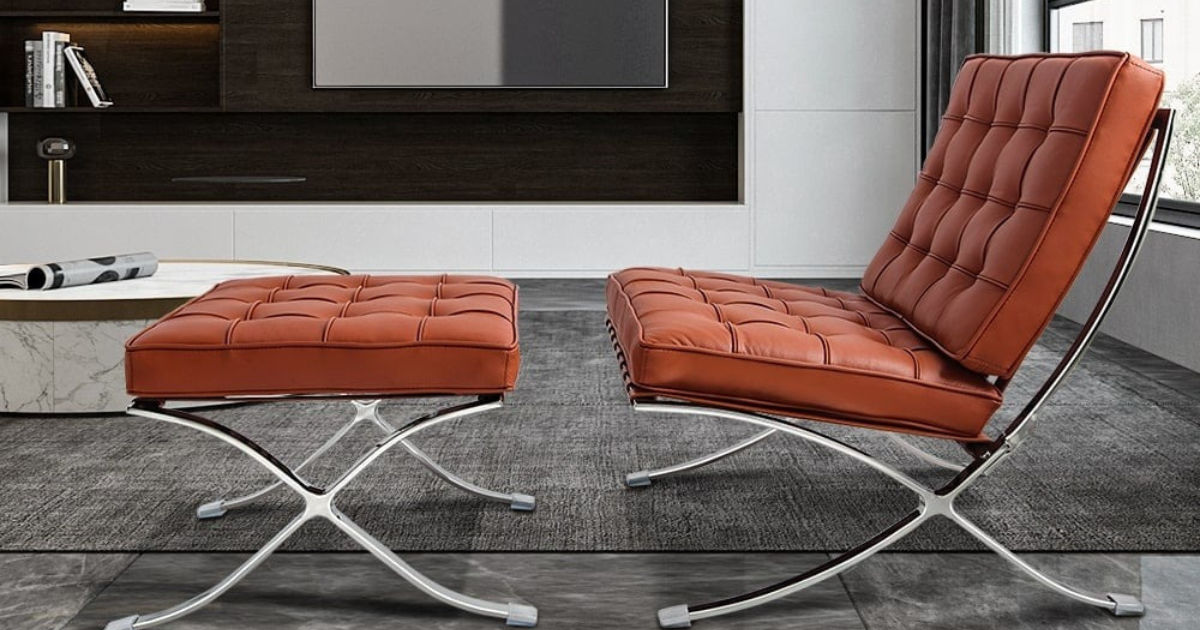
One common question among eames office chair owners is: when should you swap the seat? This guide will explore everything you need to know about replacing your eames office chair seat, from signs of wear to the steps involved in swapping it out.
Understanding Your Eames Office Chair
Before deciding when to swap your seat, it’s essential to understand what makes an eames office chair unique. Designed by Charles and Ray Eames, these chairs combine aesthetics with ergonomic functionality. They are made with high-quality materials such as leather, fabric, and aluminum, ensuring long-term durability. The chair's design focuses on supporting your posture and providing comfort, making it a staple in offices worldwide.
The seat of an eames office chair is a critical component. It directly affects your comfort and posture. Over time, even high-quality seats can lose cushioning, develop cracks, or sag, reducing the chair’s effectiveness. Knowing the right time to replace it can prevent discomfort and prolong the life of your chair.
Signs Your Eames Office Chair Seat Needs Replacement
Identifying when to swap your eames office chair seat is not always obvious. There are several indicators that signal it’s time for a replacement:
Loss of Cushioning
If the seat feels harder than usual or lacks the original softness, it is likely that the foam or padding has deteriorated. A seat that no longer provides adequate support can cause back pain and discomfort, especially during long working hours.
Visible Wear and Tear
Check for cracks, tears, or worn-out fabric. Leather seats may develop cracks, while fabric seats can fray or fade. Visible damage not only affects aesthetics but also compromises comfort.
Sagging or Uneven Surface
If the seat sags in certain areas or feels uneven, the structural integrity may be compromised. A sagging seat cannot provide proper support and may lead to posture problems over time.
Unpleasant Odors
Sometimes, prolonged use can cause seats to absorb sweat, dust, or other particles, resulting in unpleasant odors. While cleaning can help temporarily, persistent smells indicate it might be time for a new seat.
Reduced Ergonomic Support
An eames office chair is designed to offer ergonomic support, including proper lumbar alignment. If you notice your back or hips feeling strained, it may be due to a worn-out seat that no longer provides adequate support.
Factors Affecting Seat Longevity
Several factors influence how long your eames office chair seat lasts:
Frequency of Use
Chairs used daily will wear out faster than those used occasionally. Heavy use accelerates foam compression and fabric wear.
Weight Distribution
Heavier users may experience faster seat wear due to increased pressure on the cushioning and frame.
Maintenance and Care
Regular cleaning and care can extend the seat’s life. Avoid harsh chemicals and clean spills immediately to prevent damage.
Environmental Factors
Humidity, sunlight, and temperature changes can affect leather and fabric seats. Direct sunlight can cause fading, while high humidity may encourage mold growth.
How Often Should You Replace the Seat?
There is no exact timeline for replacing an eames office chair seat, but on average, high-quality chairs last 5–10 years before the seat may need replacement. If your chair is older than five years and shows signs of wear, it’s a good idea to inspect the seat closely.
Some users may find that replacing the seat every 3–5 years is necessary, especially if the chair sees heavy daily use. The key is to monitor the signs of wear rather than rely solely on the chair’s age.
Choosing the Right Replacement Seat
When swapping the seat of your eames office chair, choosing the right replacement is crucial to maintain comfort and style.
Matching Material
Eames office chairs come in various materials such as leather, fabric, and mesh. Choose a replacement seat that matches your chair’s existing material for consistency.
Cushioning Quality
Opt for high-density foam or memory foam seats. These materials provide better support and retain their shape longer than cheaper alternatives.
Size and Fit
Ensure the replacement seat fits your chair model. Most eames office chairs have specific dimensions, and using the wrong size can affect stability and comfort.
Color and Style
While functionality is most important, matching the color and style ensures the chair looks cohesive. Many manufacturers offer original replacement seats or compatible alternatives.
Budget Considerations
Replacement seats vary in price depending on material and brand. Investing in a high-quality seat is usually more cost-effective in the long run compared to cheap replacements that wear out quickly.
Step-by-Step Guide to Swapping Your Seat
Replacing your eames office chair seat is a manageable task if you follow these steps:
Step 1: Remove the Old Seat
Most eames office chairs use screws or bolts to secure the seat to the chair base. Use the appropriate screwdriver or wrench to remove these fasteners. Keep all screws safe, as you will need them for the new seat.
Step 2: Inspect the Frame
Before installing the new seat, inspect the chair frame for damage. Look for bent metal, cracked plastic, or worn-out components. Repair or replace any damaged parts before proceeding.
Step 3: Align the Replacement Seat
Place the new seat on the chair base and align the screw holes. Ensure it sits evenly and does not rock or tilt.
Step 4: Secure the Seat
Insert the screws or bolts and tighten them firmly. Avoid over-tightening, as this may damage the seat or frame. Make sure the seat is securely attached before sitting.
Step 5: Test Comfort and Stability
Sit on the chair and check for comfort and stability. Adjust if necessary. Make sure the seat provides proper support and does not wobble.
Maintaining Your Eames Office Chair Seat
To prolong the life of your new seat, regular maintenance is key:
Regular Cleaning
Dust and clean the seat regularly using a soft cloth. For leather, use a leather conditioner. For fabric, vacuum to remove dust and debris.
Avoid Direct Sunlight
Prolonged exposure to sunlight can fade colors and dry out leather. Place your chair away from direct sunlight when possible.
Rotate Usage
If your chair is shared among multiple users, rotating the seat use can prevent uneven wear.
Immediate Spill Cleanup
Spills should be cleaned immediately to prevent stains and damage. Use appropriate cleaning solutions for leather or fabric.
Periodic Inspection
Inspect the seat every few months for signs of wear or damage. Early intervention can prevent more significant issues.
When to Seek Professional Help
Some eames office chair seats may require professional installation or repair. If you notice the following, it’s best to consult a professional:
-
Seat frame is damaged or bent
-
Replacement seat does not fit correctly
-
Structural components like the gas lift or base are compromised
Professional help ensures safety and prolongs the chair’s life.
Benefits of Swapping the Seat
Replacing the seat of your eames office chair offers multiple advantages:
-
Improved Comfort: A new seat restores the chair’s original cushioning and support.
-
Enhanced Ergonomics: Proper lumbar and hip support reduces strain and improves posture.
-
Aesthetic Upgrade: A fresh seat makes your chair look new and stylish again.
-
Cost-Effective: Swapping the seat is cheaper than buying a new chair.
-
Extended Chair Life: Regular maintenance, including seat replacement, prolongs the chair’s overall lifespan.
Common Mistakes to Avoid
When replacing your eames office chair seat, avoid these common mistakes:
-
Using Incorrect Screws: Always use screws that match the original to avoid instability.
-
Ignoring Frame Damage: Replacing the seat without checking the frame can cause further damage.
-
Choosing Low-Quality Replacements: Cheap seats wear out quickly and may cause discomfort.
-
Neglecting Maintenance: Even a new seat requires regular cleaning and care.
Alternatives to Swapping the Seat
If replacing the seat is not an option, there are alternatives:
-
Seat Cushions: Adding a high-quality seat cushion can temporarily improve comfort.
-
Professional Reupholstery: Upholsterers can restore your existing seat to like-new condition.
-
Adjustable Ergonomic Pads: Lumbar or posture pads can help if the seat is slightly worn but still functional.
While these options provide short-term relief, they are not as effective as a full seat replacement.
Conclusion
Knowing when to swap your seat on an eames office chair is crucial for comfort, ergonomics, and longevity. Signs such as loss of cushioning, visible wear, sagging, odors, and reduced support indicate it’s time for a replacement. By choosing the right replacement seat, following proper installation steps, and maintaining it regularly, you can enjoy your eames office chair for many years. Investing in quality materials and timely replacements ensures that your chair remains both functional and stylish. Remember, a well-maintained chair not only enhances comfort but also protects your posture, making your workday more productive and enjoyable.
Swapping your seat is not just a repair—it’s an upgrade. By paying attention to signs of wear and taking proactive steps, you ensure your eames office chair continues to serve its purpose: providing comfort, style, and ergonomic support in any workspace.


Leave a Reply